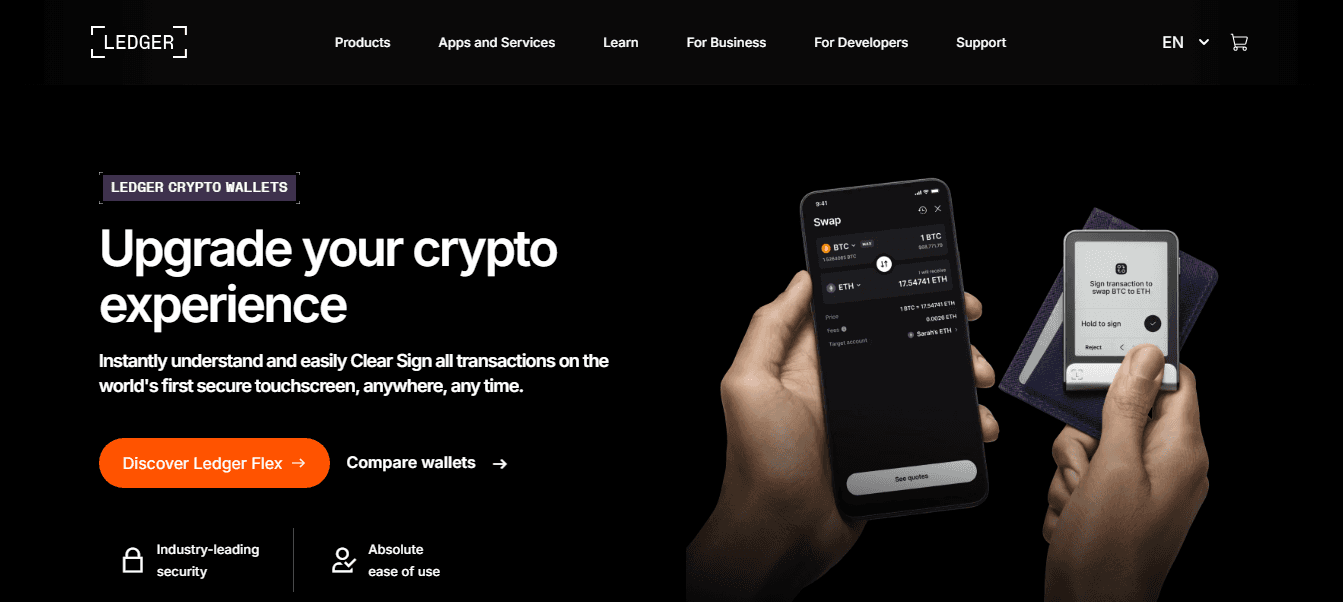
Ledger Live – New Simplified Guide for Crypto Users
What Is Ledger Live Used For?
Ledger Live is the management software designed to work with Ledger hardware wallets. It gives users a safe environment to manage digital currencies while keeping private keys stored offline inside the physical Ledger device. Instead of trusting exchanges or online wallets, Ledger Live lets you control your money directly with a mix of security and convenience.
When you pair Ledger Live with a Ledger device, you can view balances, install crypto apps, send and receive coins, stake tokens, buy or exchange assets, and track portfolio performance without exposing your private keys to the internet.
Setting Up Ledger Live for the First Time
Before starting, make sure you have:
A Ledger device such as Nano S Plus, Nano X, or Stax
The USB cable that came with it (or Bluetooth if supported)
A computer or smartphone
Your 24-word recovery phrase written on paper (never digital)
Check the device and packaging to ensure it hasn’t been tampered with. If anything looks suspicious, do not continue.
Step 1: Open Ledger Live
Launch the application on your device. You will be asked whether you are setting up a new wallet or restoring an existing one.
Step 2: Configure Your Ledger Hardware Wallet
If it’s new, you will create a PIN on the device and receive a 24-word recovery phrase. Write down each word in the exact order. This phrase is your only backup if your device gets lost or damaged.
Step 3: Install Crypto Apps
Ledger Live will guide you to install specific apps onto your wallet depending on which cryptocurrencies you plan to use. For example, you need the Bitcoin app to manage BTC or the Ethereum app to manage ETH.
How to Receive Cryptocurrency Using Ledger Live
Connect your Ledger device to your computer or phone.
Open Ledger Live and select the crypto account you want to receive.
Choose “Receive.”
Ledger Live will display a wallet address.
Confirm that the same address appears on your Ledger device’s screen.
You should always verify addresses on the device display because it cannot be altered remotely. This protects you from hidden malware that may change addresses on your computer screen.
How to Send Crypto Safely with Ledger Live
Open Ledger Live and connect your hardware wallet.
Choose “Send.”
Type in the address of the recipient along with the amount.
Review transaction fees if applicable.
Confirm everything appears correct.
Approve the transaction by pressing the physical Ledger buttons.
The signing process happens inside the device chip, keeping private keys isolated from the internet.
Key Things You Can Do in Ledger Live
Buy Crypto: Purchase supported coins through trusted service providers within the app.
Sell Crypto: Convert digital assets into fiat using verified partners.
Stake Coins: Earn rewards on cryptocurrencies such as Polkadot, Ethereum, or Tezos.
Swap Assets: Exchange one cryptocurrency for another without leaving Ledger Live.
Track Portfolio Value: See balance history, price movements, and market changes.
Manage NFTs: View and secure NFT assets on supported blockchains.
Ledger Live does not control your crypto, but it provides the tools to manage it while the device protects it.
Security Rules Every Ledger User Must Follow
Never type your recovery phrase into any device or website.
No support team will ever request your 24-word phrase.
Do not store your recovery phrase on your phone, computer, or cloud.
Keep your PIN private and avoid easy guesses.
Always verify transaction details on the Ledger device screen.
Keep firmware and Ledger Live software updated.
Use secure internet connections to avoid network risks.
Losing the recovery phrase means losing access to your funds permanently. Treat it like the master key to your digital assets.
Why Ledger Live Is Trusted
Ledger Live stands out because it combines usability with true ownership of crypto. Your private keys stay inside the hardware device, even when making transactions. The software only reads information from the blockchain and helps you interact with it safely. This prevents phishing, remote hacking, or unauthorized withdrawals.
For users holding significant crypto value, this approach offers far better protection than keeping assets on exchanges or mobile-only wallets.